 Nederlands
Moisture in the knee
You wake up or just step off the sports field and notice that your joint suddenly feels stiff and swollen. Fluid in the knee is a common knee complaint. A swollen knee is in fact a natural protective reaction of your body, for example after a fall, an incorrect movement or due to overexertion. Sometimes this is accompanied by severe pain, but it is also possible to have a swollen knee without any direct pain symptoms. In this article, we explain exactly how this swelling occurs, what you can do yourself immediately and how we can guide you to a successful recovery.
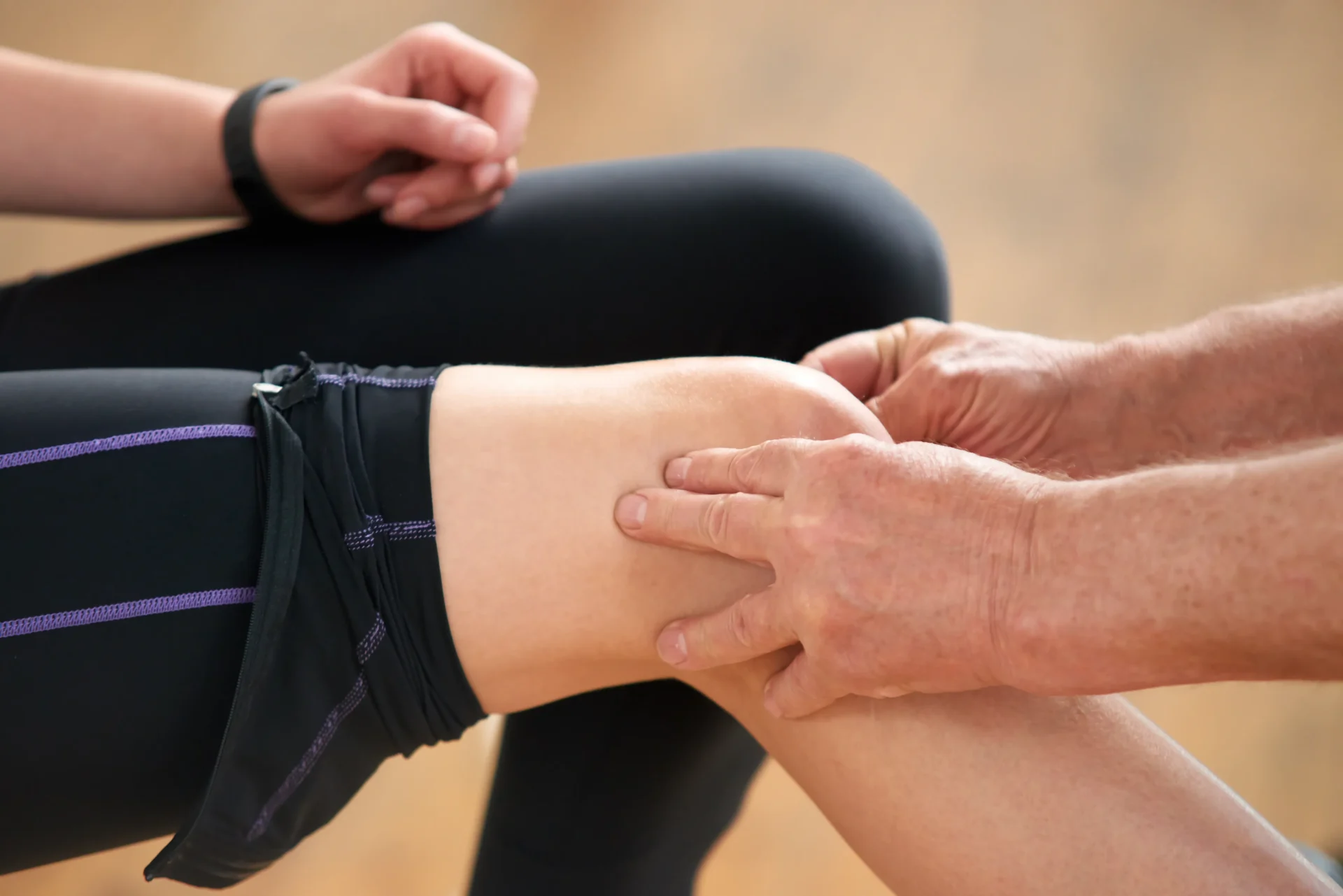
What is fluid in the knee (effusion)?
The medical term for fluid in the knee is effusion. This simply means that too much fluid is accumulating in or around the knee joint. Your body produces this extra fluid in response to irritation, tissue damage or an underlying condition. This fluid build-up causes the joint capsule to stretch, leading to a visibly thick knee. You often notice this in stiffness, making bending and stretching your leg a lot more difficult. Additionally, if the swelling is caused by inflammation, the skin around the joint may feel warm and turn a red colour.
Causes of a thick or swollen knee
There are several factors that can lead to fluid and pain in the knee. A common cause is acute trauma, such as a fall or a wrong move during exercise. This often happens when you turn the knee unexpectedly while keeping your foot firmly on the ground. With such a sports injury, the knee can sometimes become extremely thick within as little as two hours, which can indicate severely stretched or torn knee ligaments. Besides acute injuries, we often see swelling caused by long-term overuse or conditions such as osteoarthritis (wear and tear of the cartilage in the knee). Inflammations, such as an inflamed bursa (bursitis) or rheumatic complaints, also regularly cause significant fluid accumulation. Furthermore, damage to the meniscus (a disc of cartilage in your knee) lead to irritation and extra fluid production.
Fluid in knee without pain
It is a common question in our practice: how can I have fluid in my knee without pain? This frequently happens when the knee is only slightly overloaded or when there is mild wear and tear (incipient osteoarthritis). The body does respond to the mild irritation by producing extra fluid to “lubricate” and protect the joint, but the tissue damage is not great enough to send a pain signal. Still, a thick knee without pain is a clear signal from your body that the joint needs rest or attention.
Correct diagnosis with ultrasound
Because the causes of fluid accumulation are so diverse, proper diagnosis is the most important first step. With an extremely thick knee, physical examination is sometimes difficult because every movement is sensitive. At Fysio Fitaal, in such cases and with persistent symptoms, we use ultrasound. This allows us to literally look under the skin to pinpoint exactly where the fluid is and whether there is damage to your tendons, ligaments or meniscus. This way, we avoid guesswork and draw up an effective treatment plan right away.
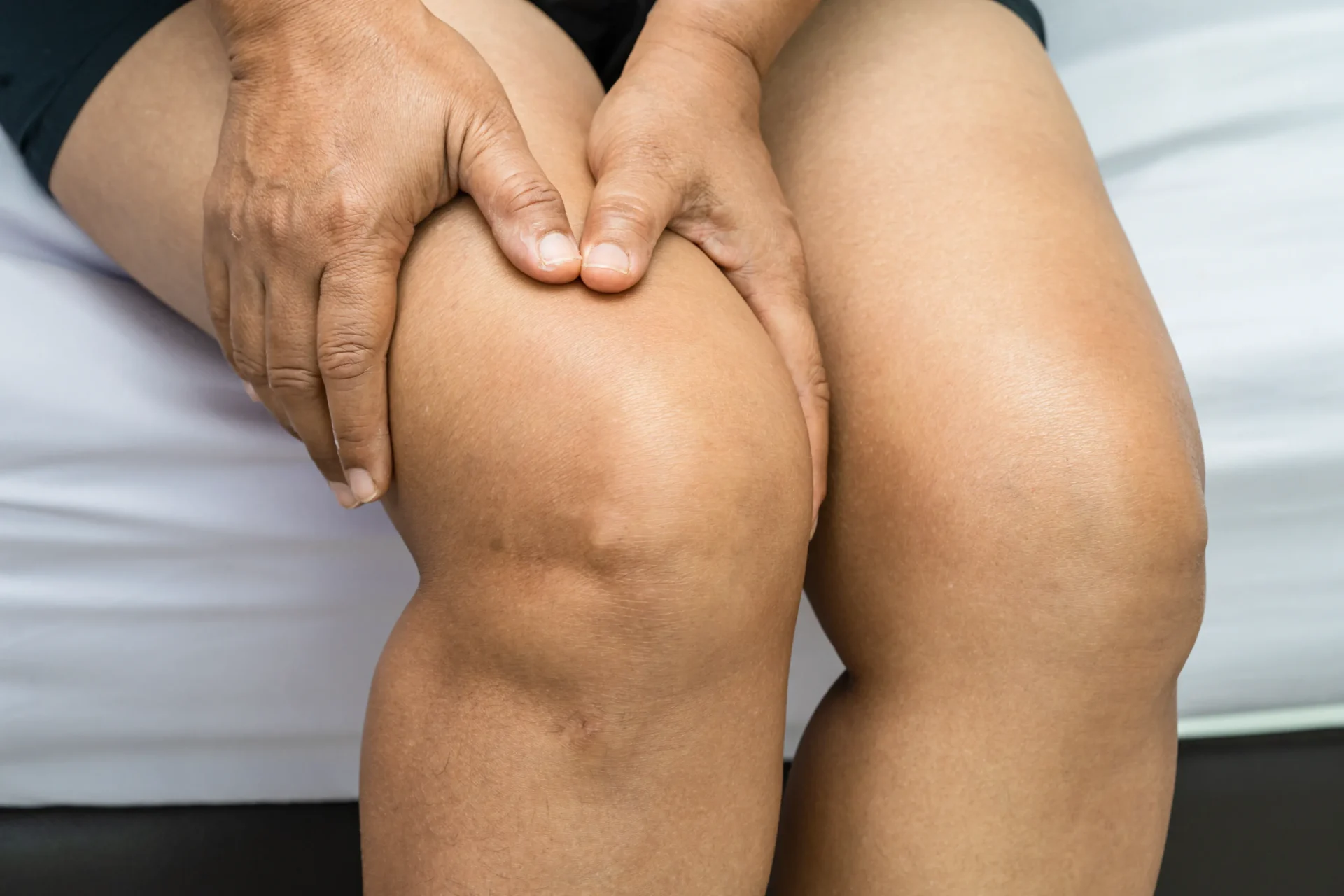
The recovery process
Recovery from a swollen knee often starts with rest, but soon switches to dosed exercise. This is because light exercise, such as walking or leisurely cycling, stimulates blood flow and helps your body drain fluid faster. To relieve pain in the early stages, you can cool your knee with ice cubes wrapped in a towel. It also helps to elevate your leg when sitting or lying down, as gravity will help drain fluids. At Fysio Fitaal, we guide you step by step. Our physiotherapists deploy specific techniques, such as lymphatic drainage (a special massage technique) and manual therapy, to effectively drain the fluid and increase joint mobility.
| Phase | Period | Focus of treatment |
|---|---|---|
| Phase 1 | Week 1-2 | Reduce swelling (cool, raise leg), relieve pain and stimulate mild blood flow. |
| Phase 2 | Week 3-4 | Increase mobility, lymphatic drainage and gently start walking or cycling. |
| Phase 3 | Week 5-8 | Strength building of the thigh muscles to better support the knee. |
| Phase 4 | Month 2-3 | Sports resumption and functional exercises tailored to your daily activities. |
Together we work on your recovery
Don't keep walking around with a thick or stiff knee. At Fysio Fitaal, we immediately investigate the cause of your symptoms and draw up a treatment plan that suits your situation. Want to know how we can reduce the fluid in your knee quickly and safely? Contact us or make an appointment directly at one of our locations.
Frequently asked questions about fluid in the knee
How does fluid in the knee occur?
Fluid in the knee is your body's protective response. It results from excessive production of joint fluid after an irritation, such as a fall, prolonged overuse, inflammation or due to wear and tear of the cartilage.
What should I do if my knee is suddenly thick after a fall?
Cool the knee immediately for 15 to 20 minutes to slow the swelling and put the leg up high. If you cannot stand on the leg at all or cannot stretch the knee, it is important to contact a doctor the same day.
Can I keep exercising with a swollen knee?
Light exercise is actually good for fluid drainage, but intensive exercise is not recommended. Choose a different load temporarily, such as gentle cycling, to keep your muscles strong without putting heavy strain on the knee.
Does it help to put my leg up?
Yes, by placing your leg elevated (e.g. on a chair or cushion) you take advantage of gravity. This stimulates the lymphatic system and promotes the natural drainage of excess fluid from your leg.
Why does my knee stay thick despite rest?
If your knee is still swollen and painful after a week's rest, there may be persistent inflammation or more structural damage in the joint. Physiotherapy examination is then needed to determine the exact cause and create a targeted recovery plan.
Related exercises



Related complaints

Anterior cruciate ligament torn
Are you suffering from an anterior cruciate ligament injury or want more information? Feel free to...
Tendinitis knee
You often notice it at the first step out of bed or while climbing stairs: a...

Bursitis
Bursitis is a common musculoskeletal complaint involving a bursa, a fluid-filled...
Make an appointment at Fysio Fitaal
We work from multiple locations in Tilburg, always close by for professional and accessible physiotherapy. Fill in the contact form and we will contact you soon. Together, we will work on your recovery!