Purpose of the exercise
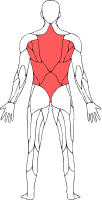
Aims to strengthen back muscles, glutes and shoulder stabilisers. Improves trunk stability and supports healthy spine posture.
Supplies
Starting position
-
Lie in prone position on a mat
-
Extend arms forward over head
-
Legs stretched behind the body
-
Forehead slightly above the mat or relaxed on the mat
-
Core slightly tightened
Implementation
-
Lift arms and legs off the ground at the same time
-
Actively tighten the back and buttock muscles
-
Keep the body as stable as possible
-
Briefly hold tension in the upper position
-
Slowly lower arms and legs back to the mat
-
Move in a controlled manner throughout the exercise
Points of interest
✓ Actively tighten back and buttock muscles
✓ Move controlled
✓ Keep neck in neutral position
✓ Core slightly tightened
✓ Move within a comfortable range
✗ Excessive hollowing of the lower back
✗ Neck lifted too far
✗ Execution too fast
✗ Uncontrolled movement of arms and legs
✗ Ignoring pain in lower back or shoulders
When this exercise?
The superman is used to strengthen the back of the body and improve trunk stability. The exercise can be used within general strength training and within programmes targeting posture and spinal stability.
In addition, the exercise can be part of a rehabilitation programme for back pain when controlled activation of the back muscles is desired. Due to the relatively simple execution, the exercise can be applied at different levels. Application, load and progression should always take place in consultation with a physiotherapist or other qualified professional to ensure that the exercise is safe and tailored to the individual's load capacity, complaints and recovery status.
 Nederlands